Bfr Training Progression - BFR Training
Up One Level
What Is Blood Flow Restriction Training?
It can be applied to either the upper or lower limb. The cuff is then pumped up to a particular pressure with the goal of getting partial arterial and total venous occlusion. bfr training chest. The client is then asked to perform resistance exercises at a low intensity of 20-30% of 1 repetition max (1RM), with high repetitions per set (15-30) and brief rest periods in between sets (30 seconds) Comprehending the Physiology of Muscle Hypertrophy. Muscle hypertrophy is the increase in size of the muscle as well as an increase of the protein material within the fibers.
Myostatin controls and inhibits cell growth in muscle tissue. It needs to be essentially shut down for muscle hypertrophy to occur. bfr training dangers. Resistance training results in the compression of capillary within the muscles being trained. This triggers an hypoxic environment due to a reduction in oxygen delivery to the muscle.
( 1) Low intensity BFR (LI-BFR) leads to a boost in the water material of the muscle cells (cell swelling). It also speeds up the recruitment of fast-twitch muscle fibres - how to do blood flow restriction training. It is likewise assumed that when the cuff is eliminated a hyperemia (excess of blood in the blood vessels) will form and this will cause more cell swelling.
A broad cuff is preferred in the proper application of BFR. 10-12cm cuffs are typically used. A large cuff of 15cm may be best to enable even constraint. Modern cuffs are formed to fit the natural shape of the arm or thigh with a proximal to distal narrowing. There are likewise particular upper and lower limb cuffs that permit for much better fitment.
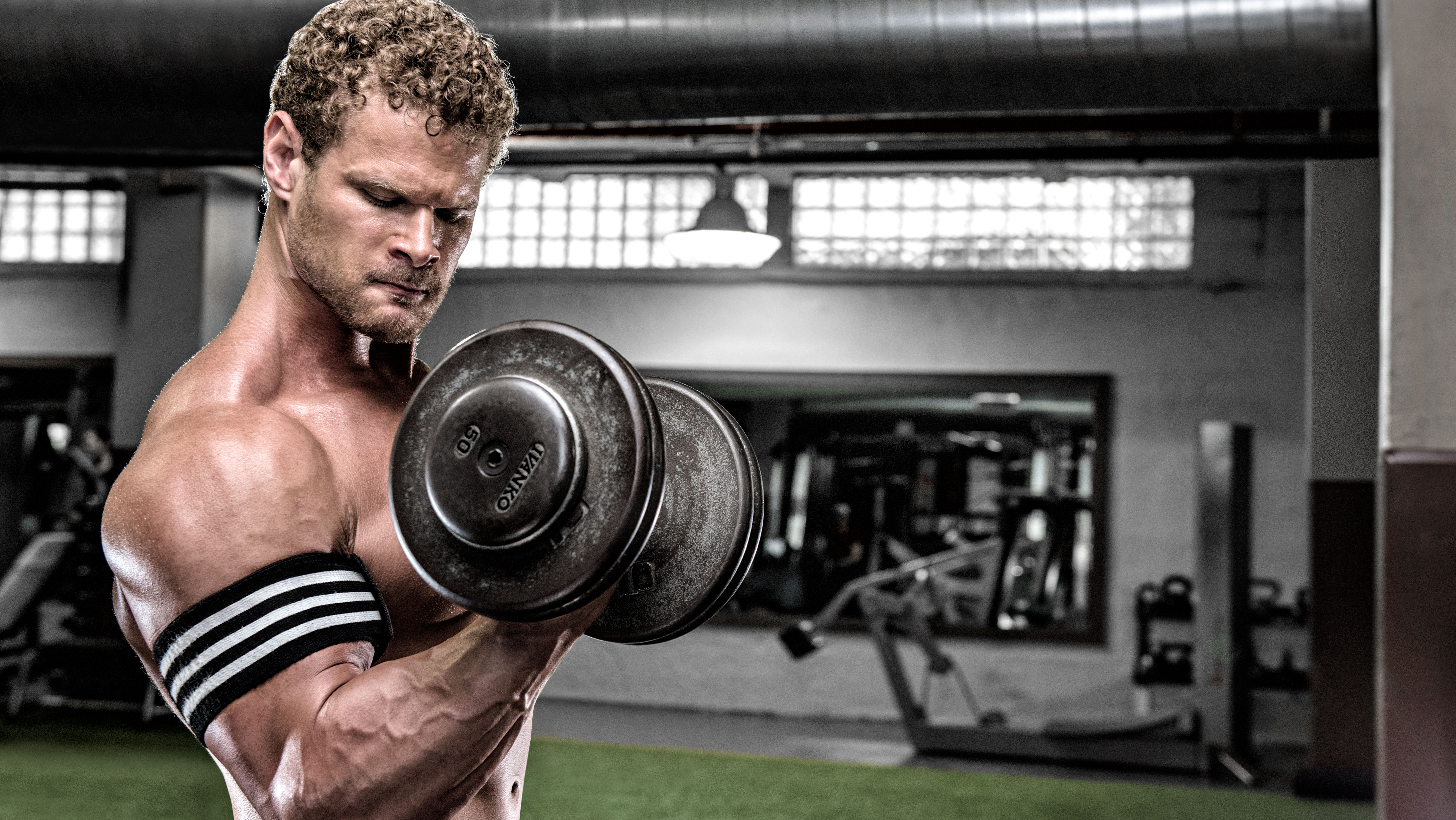
The narrower cuffs are typically elastic and the broader nylon. With elastic cuffs there is a preliminary pressure even prior to the cuff is inflated and this leads to a various ability to restrict blood flow as compared with nylon cuffs. Flexible cuffs have actually been revealed to provide a significantly higher arterial occlusion pressure rather than nylon cuffs - b strong blood flow restriction.
g. 180 mm, Hg; a pressure relative to the client's systolic high blood pressure, for e. g. 1. 2- or 1. 5-fold higher than systolic blood pressure; a pressure relative to the patient's thigh area. It is the best to use a pressure specific to each individual client, since various pressures occlude the amount of blood circulation for all people under the same conditions.
What To Use For Bfr Training
The cuff is pumped up to a particular pressure where the arterial blood flow is entirely occluded. This understood as limb occlusion pressure (LOP) or arterial occlusion pressure (AOP). The cuff pressure is then calculated as a portion of the LOP, generally between 40%-80%. Using this method is more effective as it guarantees patients are working out at the correct pressure for them and the kind of cuff being used.
BFR-RE is normally a single joint workout technique for strength training. Muscle hypertrophy can be observed during BFR-RE within a 3 week duration however many research studies advocate for longer training durations of more than 3 weeks. A load of 20-40% 1RM has actually been shown to produce constant muscle adjustments for BFR-RE.
An organized review performed by da Cunha Nascimento et al in 2019 took a look at the long and short term effects on blood hemostasis (the balance between fibrinolysis and coagulation). It concluded that more research requires to be conducted in the field prior to conclusive standards can be provided. In this review, they raised issues about the following Negative results were not always reported The level of prior training of subjects was not suggested which makes a considerable difference in physiological response Pressures used in studies were incredibly variable with different techniques of occlusion in addition to requirements of occlusion Most studies were carried out on a short-term basis and long term actions were not determined The studies concentrated on healthy topics and not subjects with risk for thromboembolic disorders, impaired fibrinolysis, diabetes and obesity Their final conclusion on the security of BFR was as such: In basic, it is well established that unaccustomed exercise leads to muscle damage and postponed beginning muscle soreness (DOMS), specifically if the workout includes a big number of eccentric actions. b strong blood flow restriction.
As your body is recovery after surgical treatment, you may not be able to place high tensions on a muscle or ligament. Low load exercises might be needed, and blood circulation restriction training enables optimum strength gains with minimal, and safe, loads. Carrying Out BFR Training Before beginning blood circulation constraint training, or any workout program, you must inspect in with your physician to make sure that exercise is safe for your condition (blood flow restriction training research).
Release the contraction. Repeat gradually for 15 to 20 repeatings. Your physiotherapist may have you rest for 30 seconds and after that repeat another set. Blood circulation constraint training is expected to be low intensity but high repeating, so it is typical to carry out 2 to 3 sets of 15 to 20 representatives during each session.
Who Should Not Do BFR Training? Individuals with certain conditions should not participate in BFR training, as injury to the venous or arterial system may happen. Contraindications to BFR training may consist of: Before carrying out any workout, it is very important to consult with your doctor and physiotherapist to ensure that exercise is right for you.
Why Is Bfr Training Effective For Improving Muscle Strength And Mass
Over the last number of years, blood circulation restriction training has actually gotten a lot of positive attention as a result of the remarkable boosts to size & strength it provides. Numerous people are still in the dark about how BFR training works. Here are 5 crucial pointers you need to know when beginning BFR training.
There are a number of various recommendations of what to use drifting around the internet; from knee wraps to over-sized elastic bands (blood flow restriction training for chest). Nevertheless, to make sure as accurate a pressure as possible when carrying out useful BFR training, we recommend function created solutions like our Bf, R Pro ARMS & Bf, R Pro LEGS straps.
Meanwhile, some studies recommend to increase performance of your fast-twitch fibers (those for explosive power and strength) you ought to lift around 40% of your 1RM. Adjust Your Reps and Rest Durations Whilst you are going to be decreasing the intensity of weight you're lifting; you're going to be upping the strength and volume of your workout.
Therefore, it is very important that you change your healing accordingly but compared to heavy lifting then there is less muscle damage when doing low load BFR training. Studies have actually revealed that no boosts in muscle damage continue longer than 24 hours after a BFR exercise indicating it is safe to be performed every other day at most; however the very best gains in muscle size and strength have been found carrying out 2-3 sessions of BFR per week. Do be conscious, however, if you are just beginning blood circulation limitation training or are unaccustomed to such high-repetition sets, you may require somewhat longer to recuperate from such metabolically requiring training.
005) was observed only in the HIIT group. Both, GH and IGF-1 increased substantially right away after the interventions, however without differences in between groups (no interaction impact). La increased throughout the intervention in a similar way amongst both groups. Conclusions The combined intervention efficiently improves the maximal power in context of endurance capacity.
The improved HIF-1 in the HIIT+BFR as compared to the HIIT suggests that the combined intervention might have a remarkable physiological stimulus. Based upon the provided theoretical background and the insights of the examination by Taylor, et al. , the purpose of this research study was to examine the impacts of a HIIT in combination with BFR (using KAATSU-cuffs) in contrast to a sole HIIT on physical performance.
How Does Blood Flow Restriction Training Work
It is to be assumed that this intervention results in higher metabolic stress, which could catalyze adaption processes in this context. To clarify the level of metabolic stress, the build-up of blood lactate concentrations (La) during the intervention along with intense and basal modifications of the GH and IGF-1 have been determined (blood flow restriction therapy).
Research study design The groups BFR+HIIT and HIIT carried out a HIIT-intervention for four weeks, 3 times per week (Monday, Wednesday, Friday). Instantly prior to each HIIT-intervention, four sets of deep squats without extra load were performed by both groups. The BFR+HIIT group performed the deep squats under BFR conditions. Within one week before (pre) and after (post) of the four-week intervention, the endurance capacity was checked utilizing a spiroergometry on a bicycle-ergometer.
The GH and IGF-1 were evaluated instantly before and after the very first (T1, T2) and last (T3, T4) intervention to quantify intense (T1 to T2 and T3 to T4) and basal (T1 to T3) changes. Throughout the 6th intervention, the La were measured right away before (pre) and after the BFR/squat (post BFR/squat) and after the HIIT (post HIIT).
This was brought out on bicycle-ergometers (Kardiomed, Bike, Proxomed, Germany) and consisted of 3 periods each long lasting 4 minutes with a resting period of one minute. The periods were performed with a strength which was changed to the second ventilatory threshold plus five percent (BFR+HIIT HR: 168 14 min-1 ; HIIT HR: 163 15 min-1 , with heart rate (HR) as the control specification (determined by the heart rate monitor FT7, Polar, Finland). This strength was selected since of the criterion that a HIIT should be carried out at a strength higher than the anaerobic threshold
For the pre-post comparison, the main values of the height of the 3 CMJ were determined. The 1RM was figured out utilizing the numerous repeating optimum test as described by Reynolds, et al. The test was evaluated with the workout vibrant leg press. Diagnostics of metabolic stress/growth aspects Blood samples were collected by a medical physician at those time points (T1, T2, T3, T4) from a superficial lower arm vein under tension conditions.
How To Perform Blood Flow Restriction Training
The blood samples were examined in a regional medical lab. La was determined on the ear lobe of the individuals to the time points as discussed in the research study style. The samples were analysed with the determining device Super GL3 by HITADO (Germany; measuring mistake < 1. 5% according to the producer's info).
For generally distributed information, the interaction effect in between the groups over the intervention time was consulted a two-way ANOVA with duplicated steps (factors: time x group). Afterwards, differences between measurement time points within a group (time result) and distinctions in between groups throughout a measurement time point (group impact) were analysed with a reliant and independent t-test.
The groups can be considered uniform at the beginning of the intervention. Table 1: Mean worths (standard variance) of specifications of endurance and strength efficiency gathered in the pre- and post-test in the BFR+HIIT group and HIIT group. View Table 1 After the four weeks of intervention, we determined a significant increase in the optimum power in both groups with the boost in the BFR+HIIT group being around twice as high as in the HIIT group (see interaction effect in Table 1).
In the BFR+HIIT group, the increase in power throughout the VT1 was much higher than in the HIIT (see Table 1). These results did not become statistically considerable but for the BFR+HIIT group, a propensity (0. 100 > p > 0. 050) was observed. The improvements can be thought about virtually relevant.
While the BFR+HIIT group was able to improve their power with continuous HR (describing the VT2 + 5%, see techniques) to + 8. 5% (1. to 2. week, p < 0. 001), + 8. 9% (2. to 3. week, p < 0. 001) and + 4 (bfr training chest). 0% (3. to 4.
https://www.ncbi.nlm.nih.gov/pmc/articles/PMC5609669/
RS
SSL Active
What does blood flow restriction training do?
https://www.menshealth.com/fitness/a19534758/blood-flow-restriction-to-build-muscle/
SSL Active
What does BFR stand for in exercise?
https://www.ncbi.nlm.nih.gov/pmc/articles/PMC6530612/
SSL Active
Does BFR training hurt?
https://www.sportsinjurybulletin.com/blood-flow-restriction-training-feel-the-pressure/
SSL Active
How often should I do BFR training?
https://www.physio-pedia.com/Blood_Flow_Restriction_Training
SSL Active
Does BFR training increase size?
https://www.forbes.com/sites/leebelltech/2019/03/30/smart-cuffs-how-blood-flow-restriction-training-is-the-next-big-fitness-trend/
SSL Active
Does BFR training increase strength?
https://www.ncbi.nlm.nih.gov/pmc/articles/PMC6683630/
SSL Active
Are BFR bands dangerous?
BFR works through the partial occlusion of blood flow. According to multiple research studies, WIDER CUFFS DECREASE THE PRESSURE NEEDED TO RESTRICT BLOOD FLOW. This means that the small cuffs sold by many “BFR” manufacturers increase the risk of soft tissue damage.
https://thebarbellphysio.com/blood-flow-restriction-training-safe/
SSL Active
Who benefits from BFR training?
https://www.issaonline.com/blog/index.cfm/2020/blood-flow-restriction-training-what-trainers-need-to-know
SSL Active
What is the ideal BFR?
https://precisionhealthclinics.com.au/bfr-what-the-heck-is-it/
SSL Active
What are the benefits of BFR bands?
https://bstrong.training/blogs/articles/blood-flow-restriction-training-benefits
SSL Active
Do BFR bands really work?
https://www.onnit.com/academy/is-it-legit-occlusion-training-for-muscle-growth/
SSL Active
How does BFR build muscle?
Elastic BFR bands partially restrict the venous blood (oxygen deficient blood flowing from the limbs back to the heart) return. This makes the muscles work even harder to pump the blood back to the heart!Nov 13, 2020
https://www.athletico.com/2020/11/13/how-does-blood-flow-restriction-work/
SSL Active
How long can you keep BFR bands on?
https://www.bfrbands.com/faqs/
SSL Active
Can I do occlusion training everyday?
https://www.bfrbands.com/is-it-bad-to-do-the-same-exercise-every-day/
SSL Active
Does BFR work for chest?
https://pubmed.ncbi.nlm.nih.gov/20618358/
SSL Active
Where do you put your BFR band for your butt?
https://recoverfun.com/blogs/blood-flow-restriction-training/how-to-use-bfr-training-to-grow-your-arms-legs-and-booty
SSL Active
How do you program BFR training?
- The generally prescribed protocol is as follows: ...
- Set 1: 30 reps / Rest: 30-60 seconds.
- Set 2: 15 reps / Rest: 30-60 seconds.
- Set 3: 15 reps / Rest: 30-60 seconds.
- Set 4: 15 reps / Rest: 30-60 seconds. ...
- Barbell Bench Press 80-85% 1RM.
https://drjohnrusin.com/blood-flow-restriction-scientifically-advancing-muscular-strength-hypertrophy/
SSL Active
How tight should occlusion bands be?
https://www.bfrbands.com/tips-for-using-occlusion-training-wraps-effectively/
SSL Active
Does blood flow help muscle growth?
https://www.phd.com/perform-smart/the-importance-of-a-muscle-pump-for-increased-muscle-growth/
SSL Active
Does BFR increase HGH?
https://www.precisionpt.org/post/blood-flow-restriction-training-deserving-the-hype
SSL Active
How can I get huge muscles?
- Eat Breakfast to help build Muscle Mass. ...
- Eat every three hours. ...
- Eat Protein with Each Meal to Boost Your Muscle Mass. ...
- Eat fruit and vegetables with each meal. ...
- Eat carbs only after your workout. ...
- Eat healthy fats. ...
- Drink water to help you build Muscle Mass. ...
- Eat Whole Foods 90% of The Time.
https://www.everyoneactive.com/content-hub/gym/eight-tips-help-build-muscle-mass/
SSL Active
Can you use BFR bands while running?
https://pure-physio.com/endurance-bfr-training/
SSL Active
Can BFR training cause blood clots?
Research from surgical tourniquet tells us that complete vascular occlusion can cause the formation of a thrombus (blood clot). The incidence rate of suffering a venous thrombosis during BFR training is 0.06%, and this number is lower than the general population figure.
https://sujibfr.com/blogs/blog/is-blood-flow-restriction-training-safe
SSL Active
What are the best BFR bands?
- BFR Bands. Occlusion Training Bands. ...
- Superpump! Kaatsu-inspired Training Straps. ...
- Ronin Wraps. BFR Occlusion Bands (4 pack) ...
- Beast Pump. Occlusion Bands (4 pack) ...
- Lifting Lab. Ultimate Arm Builder.
https://bestreviews.com/best-occlusion-training-bands
SSL Active
Does BFR increase vascularity?
BFRT increases vascularity and allows you to build more strength from lighter loads. This allows you to do more repetitions. You may only need to use weights that are 20 percent of your normal weight.Sep 13, 2019
https://www.healthline.com/health/veiny-arms
SSL Active
001) in addition to overall to + 23. 7% (1. to 4. week, p < 0. 001), the improvement of the power in the HIIT group was just + 5. 3% (1. to 2. week, p = 0. 049), + 5 (blood flow restriction training). 2% (2. to 3. week, p = 0. 023) and + 3.
Last Article Next Article
Additional Information
Blood Flow Restriction Exercise Physical Therapy - BFR Training
Blood Flow Restriction Training and Bone - BFR Training
Blood Flow Restriction Training Pdf - BFR Training
Leave a Comment:
Blog Search
Popular Blog Categories
- blood flow restriction training
- bfr training
- blood flow restriction bands
- blood flow restriction therapy
- blood flow restriction training physical therapy
- blood flow restriction physical therapy
- blood flow restriction cuffs
- blood flow restriction training for chest
- what is blood flow restriction training
- what is bfr training